

1. What is a transport document?
Transport documents are legal documents that confirm ownership of goods and identify specific information about the shipment. They not only act as a contract between the sender and the recipient, but also evidence international freight agreements, ensuring that goods are delivered to the right place, on time and in the best condition.
The Role of Transport Documents in the Supply Chain:
Transport documents play an important role in international trade transactions, not only confirming ownership of goods but also supporting the management of transportation and customs clearance processes. In addition to protecting the rights of both the sender and the recipient, transport documents also ensure the legality of transactions. They provide accurate information about the goods, helping the customs clearance process go smoothly and minimizing disputes. Furthermore, the clarity of the documents contributes to building trust between stakeholders in the supply chain, thereby facilitating smoother and more efficient transactions.
2. Common types of transport documents in import and export
Below are the types of shipping documents you need to know:
2.1. Bill of Lading
Bill of lading is the most important document in maritime transport. It not only confirms the ownership of the goods but also serves as a contract of carriage between the shipper and the consignee.
Types of Bill of Lading:
-
Straight Bill of Lading: Is a non-negotiable bill of lading because it clearly specifies the consignee.
-
Order Bill of Lading: Transferable, allowing the recipient to transfer ownership to a third party.
-
Bearer Bill of Lading: Anonymous, whoever holds it owns it. This is very important in international trade.
When to use and what to know: In international trade, sea waybills are often used when goods are transported by ship. Customers should carefully check the information on the bill of lading to ensure that all details are correct, as any errors may lead to disputes or delays in delivery.
2.2. Airway Bill (AWB)
This document is very important in air transport, is non-transferable and is always issued by the airline.
When to use an air waybill and safety considerations: An air waybill is often used for goods that need to be transported quickly. The airline will provide the AWB after the goods are shipped. This helps ensure the safety of the goods during transportation.
2.3. Road Consignment Note (RCN)
Road waybills are used in road transport, especially for domestic or cross-border transport. RCN not only confirms the shipment but also provides information about the goods, the sender and the recipient.
Information required on RCN and how to use it effectively: RCN usually contains important information such as sender's name, recipient's name, description of goods, quantity and weight. Ensuring that all information is filled in completely and accurately is essential to avoid problems arising during the shipping process.

2.4. Railway Bill
A document used in rail transport, common in areas with developed rail systems. A rail bill of lading helps confirm ownership and conditions of transport of goods.
When to use a rail waybill and what to consider: This is often used when goods are being shipped through countries with good rail connections. It should be noted that regulations and procedures may vary from country to country.
2.5. Multimodal Bill of Lading
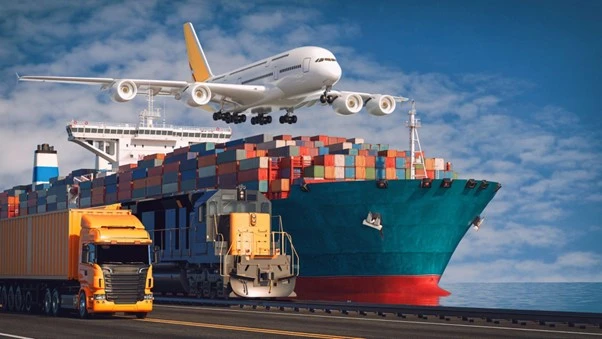
Document for goods transported by multiple modes of transport (sea, road, air) in the same shipment.
Benefits and notes when using multimodal bills of lading: Using multimodal bills of lading helps save costs and increase transportation efficiency. However, it is necessary to carefully check the conditions and regulations related to each mode of transport to ensure that the goods are best protected.
3. Procedure for preparing and managing transport documents
Understanding the process of preparing and managing shipping documents effectively helps ensure that your import and export operations run smoothly. Here are the specific steps you need to take.
3.1. Steps to prepare transport documents
Step 1: Prepare goods information - including information about weight, size, type of goods, value.
Step 2: Check the accuracy of the information on the documents to avoid errors that may lead to disputes or delays.
Step 3: Approve and stamp the document to ensure its legality. This helps confirm that all information has been reviewed and agreed.
Step 4: Store documents for easy reference when needed. Make sure that documents are stored safely and systematically.
3.2. Management and storage of transport documents
How to store documents properly and safely: Ensure that documents are stored securely, systematically and easily accessible when needed. This not only helps protect the interests of the parties involved but also minimizes risks during transportation.
4. Important factors when choosing transport documents
When selecting a transport document, there are many factors to consider to ensure safe and efficient transportation. Here are some specific guidelines:
4.1. Select documents based on product characteristics
When choosing a transport document, the characteristics of the goods are the first factor to consider. Different types of goods will require different documents, such as:
-
Dangerous Goods: For goods classified as dangerous (such as toxic chemicals, explosives), special documents such as Dangerous Goods Bill of Lading must be used. These documents must comply with strict safety and labeling regulations. This not only ensures the safety of those handling the goods, but also helps to meet the legal requirements of the authorities.
-
Fragile Goods: For fragile goods (such as glass, ceramics), the fragile nature of the goods should be clearly indicated in the documentation. Using a Sea Waybill or Air Waybill with special notations helps ensure that the carrier will handle the goods with care.
-
High Value Goods: For high value goods (such as jewelry, electronics), documentation such as a Certificate of Insurance should be used to protect your interests in the event of loss or damage. This is also a way to ensure that the value of the goods is clearly stated on the shipping documents.

4.2. Incoterms and transport documents
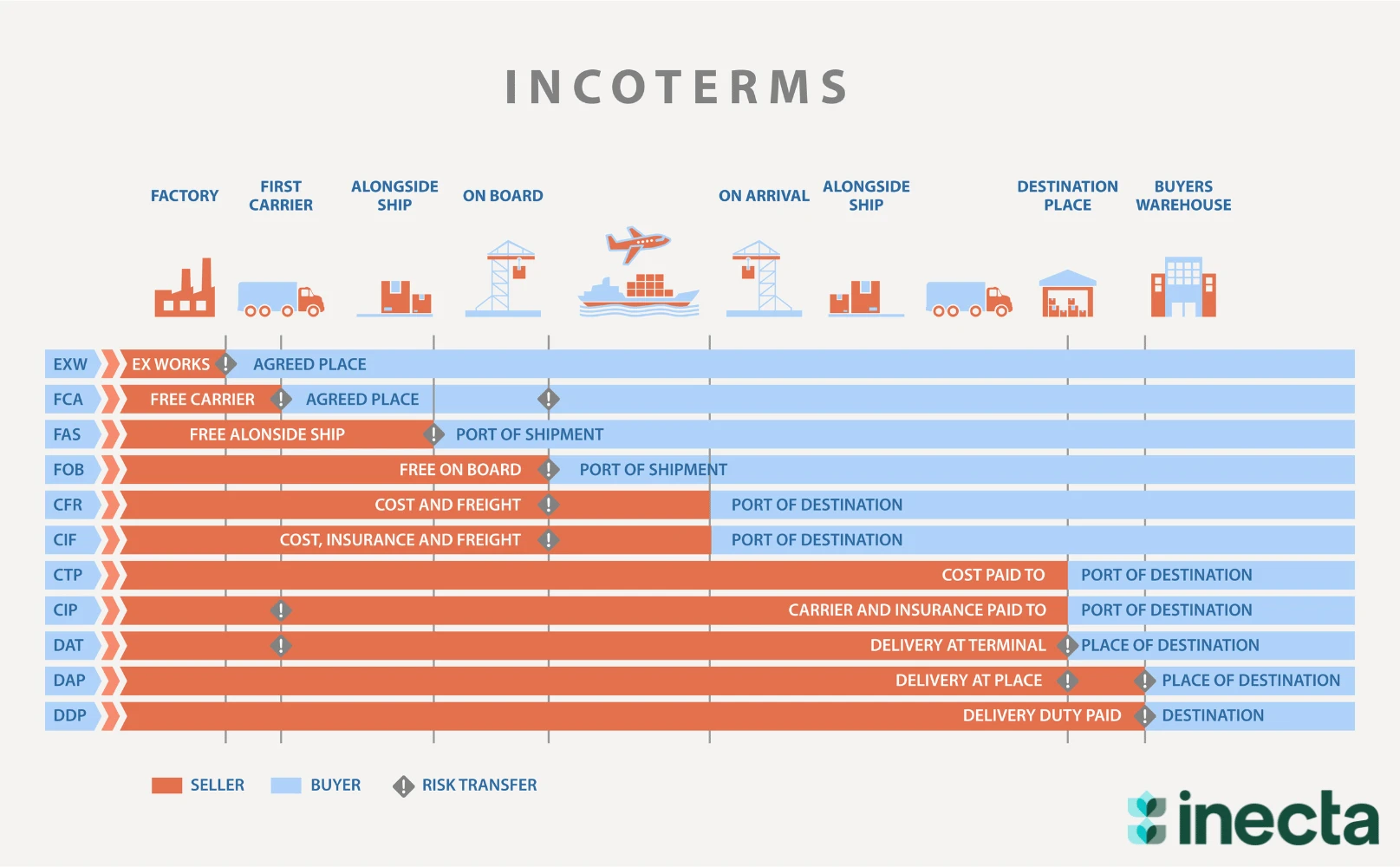
Incoterms (International Commercial Terms) are a set of internationally recognized rules in commercial transactions, defining the responsibilities of the seller and the buyer in the process of transporting goods. Understanding the Incoterms conditions will help customers choose the appropriate transport documents, as well as protect the interests of the parties. Here are some important points:
Common Incoterms Conditions:
-
FOB (Free On Board): The seller is responsible for transporting the goods to the port of export and the costs until the goods are loaded on board the ship. Required documents include the Bill of Lading and the Commercial Invoice.
-
CIF (Cost, Insurance and Freight): The seller is not only responsible for the transportation but also must purchase insurance for the goods. Documents include the Sea Bill of Lading and Insurance Certificate.
-
EXW (Ex Works): The seller only needs to deliver the goods at his premises, all costs and risks thereafter are on the buyer. Documentation required includes the Commercial Invoice and any shipping related documents.
Defining Responsibilities: Understanding Incoterms helps to define the responsibilities of each party during the shipping process. This includes who is responsible for shipping costs, insurance, and customs clearance. This not only helps to avoid disputes, but also ensures that all parties are aware of their rights and obligations.
5. Notes and common mistakes when processing transport documents
Correct handling of shipping documents is vital to ensuring a smooth shipping process. Here are some common mistakes and how to avoid them.
5.1. Common errors when processing documents
Error 1: Wrong Product Information
One of the most common mistakes is entering incorrect information about goods, including weight, dimensions, value, and description of goods. These errors can lead to:
-
Legal Disputes: If the information does not match the facts, it may lead to disputes between the sender, recipient and the carrier.
-
Delivery Delays: Errors in information can cause difficulties in customs clearance, resulting in goods being held at the port or airport.
-
Unexpected costs: Having to adjust documents after they have been issued can incur unexpected costs.
Mistake 2: Not checking the terms of the contract carefully
Many businesses neglect to carefully review the terms of their shipping contracts. These terms are important because they define the rights and obligations of the parties:
-
Delivery Terms: Terms such as Incoterms (FOB, CIF, EXW) will affect delivery responsibilities and costs incurred.
-
Liability: If loss or damage to goods occurs, the terms of the contract will determine who is responsible for compensation.
5.2. How to ensure the validity and accuracy of transport documents
To avoid these mistakes, businesses need to have a rigorous contract review process and ensure that all parties clearly understand the terms.
-
Check Contents: Before issuing documents, check all information, from goods name, quantity, weight, to sender and recipient information.
-
Legal Review: Ensure that all documents comply with international legal regulations and country-specific standards.
-
Document Storage: Store documents in a secure and easily accessible management system. This makes it easy to look up and check when needed.
By taking the above steps, you can minimize the risks when exporting goods.
6. Legal regulations and international standards related to transport documents
Legal regulations and international standards play a very important role in determining how transport documents work. Understanding these regulations helps businesses comply with the law and protect their rights in international transactions.
6.1. International conventions on transport documents
Hague Convention
The Hague Convention is one of the most important conventions relating to the carriage of goods by sea. It regulates the responsibilities of the parties during the carriage, including:
-
Carrier Responsibilities: The carrier must ensure that the goods are transported safely and on time. If the goods are lost or damaged, the carrier may be liable for compensation.
-
Shipper's rights: The shipper has the right to request the carrier to provide information on the status of the goods and the conditions of transportation.
This Convention creates a legal framework for maritime transport transactions, helping to minimize disputes between parties.
Hamburg Convention
The Hamburg Convention was created to protect the interests of shippers and enhance the responsibilities of carriers. Some of the highlights of this convention include:
-
Right to compensation: If the goods are lost due to the fault of the carrier, the shipper has the right to claim compensation without having to prove fault.
-
Delivery Terms: This Convention clearly stipulates delivery terms, making them easy for parties to understand and comply with.
The Hamburg Convention is considered a step forward in protecting the interests of cargo owners in maritime transport.
Rotterdam Convention
The Rotterdam Convention details multimodal transport, allowing goods to be transported by different modes (sea, land, air) in the same shipment. Key points include:
-
Flexibility: This convention allows businesses to choose the shipping methods that best suit their needs, thereby optimizing costs and time.
-
Liability provisions: The Rotterdam Convention clearly stipulates the responsibilities of the parties involved in the carriage process, from the time the goods are handed over to the sender until they are delivered to the recipient.

6.2. Mandatory legal regulations when using transport documents
To comply with international legal regulations, businesses need to pay attention to the following requirements:
-
Compliance with international standards: Transport documents must meet international standards to ensure legality. This includes using the correct type of documents and ensuring that they are issued by authorized organizations.
-
Risk Management: Businesses need to have measures in place to manage risks associated with the movement of goods, including ensuring that all documentation is correct and valid.
-
Regular Checkups: Businesses should regularly check and update legal regulations related to transportation to ensure that they always operate within the legal framework.
By implementing these requirements, businesses not only protect their own interests but also contribute to building a fair and transparent international trade environment.
7. Frequently Asked Questions About Transport Documents
Below are some other questions about shipping documents that customers can refer to for more useful information:
7.1. What transport documents are required for international shipments?
When exporting goods, important documents include:
-
Bill of Lading: Confirmation of ownership and contract of carriage.
-
Airway Bill (AWB): Required for goods transported by air.
-
Certificate of Origin: Confirms where the goods were manufactured.
-
Commercial Invoice: Confirms the transaction and information about the goods.
-
Import-Export License: Required for certain types of goods as prescribed.
Businesses need to determine documents based on the type of goods and requirements of the importing country.
7.2. When should an ocean bill of lading be used instead of an air waybill?
The choice between sea and air waybills is based on:
-
Shipping Time: If the goods are urgent, choose air freight; if not urgent, choose sea freight.
-
Cost: Air freight is usually more expensive; choose sea freight to save.
-
Type of Goods: Perishable goods should be transported by air, heavy goods should be transported by sea.
-
Customs Regulations: It is necessary to consider the regulations of the exporting and importing country.
7.3. What should be noted when choosing transport documents for each type of goods?
Some important notes:
-
Goods Characteristics: Dangerous or valuable goods require special documentation.
-
Import Country Requirements: Each country has its own regulations regarding required documentation.
-
Incoterms: Define the responsibilities of the buyer and seller in providing documents.
-
Time and Cost: Consider time and cost to choose the right document.
Conclude
What is a transport document is certainly not a difficult question. This is an indispensable document in international trade transactions, helping to protect the rights of the parties and ensure the legality of goods during transportation. Understanding the types of documents and how to manage them will help businesses optimize logistics processes and avoid many risks.